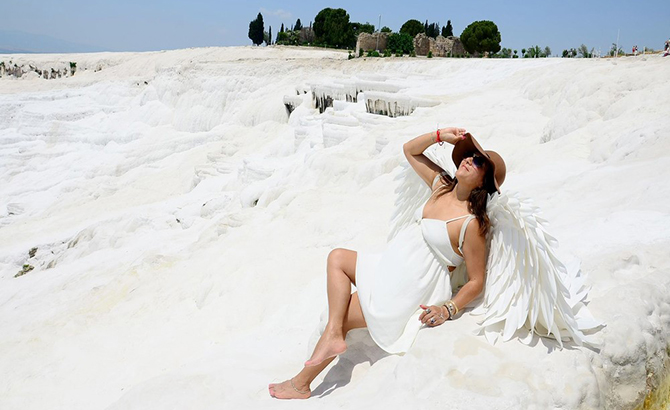
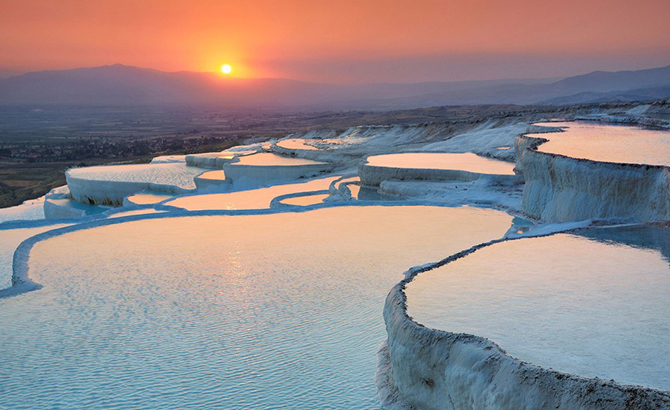
pamukkale-2.jpg
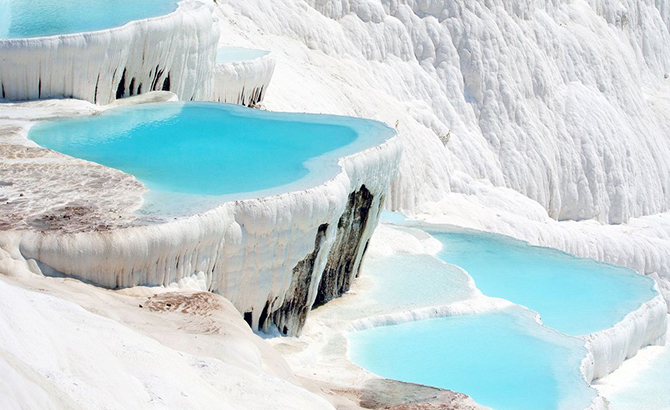
pamukkale-3.jpg
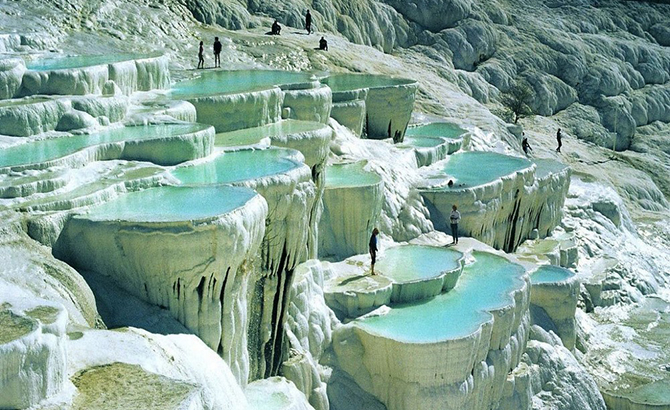
pamukkale-4.jpg
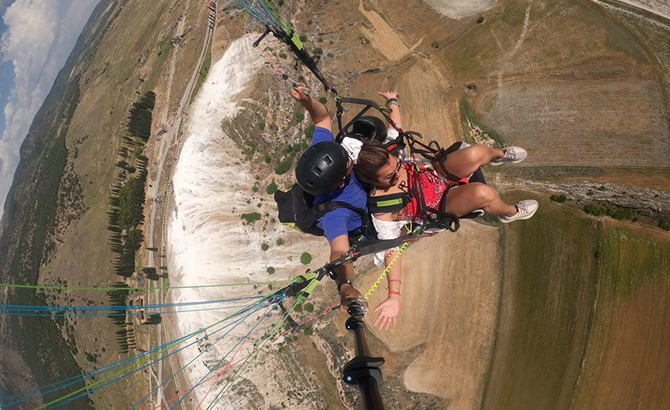
pamukkale-5.jpg
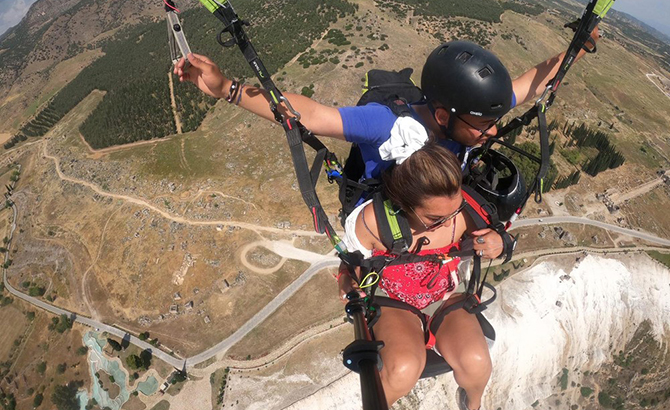
pamukkale-6.jpg
PAMUKKALE
Pamukkale, meaning “cotton castle” in Turkish, is a natural site in Denizli province in southwestern Turkey. The city contains hot springs and travertines, terraces of carbonate minerals left by the flowing water. Today the area is one of the foremost tourism resorts thanks to its Pamukkale travertines, accommodation facilities, thermal baths and natural and historical assets.
ROOM OPTIONS 1st TYPE ROOM (KPC/ Royal Cave & Pool Suites) - Room size 93 m² 2nd TYPE ROOM (SCH / King Suites) - Room 85m2 3rd TYPE ROOM (DS/ King Cave Suites): - Room 105m2 |
Pamukkale
Pamukkale, meaning “cotton castle” in Turkish, is a natural site in Denizli province in southwestern Turkey. The city contains hot springs and travertines, terraces of carbonate minerals left by the flowing water. Today the area is one of the foremost tourism resorts thanks to its Pamukkale travertines, accommodation facilities, thermal baths and natural and historical assets.
We start our tour from ancient city of Hierapolis, a UNESCO World Heritage site which differs from all other ancient cities in being located, not on earth or rock, but on solid limestone layers formed by limestone water that flowed for centuries over this raised level plateau. “Hierapolis” means “sacred city” and the city was given this name because of the large number of temples it had Today, the theatre, the Apollo temple and the Necropolis are the most important places to see in Hierapolis.
During the tour, you will see the Necropolis (Cemetery) of Hierapolis which is one of the biggest ancient cemeteries in Anatolia Roman Bath, Domitian Gate, and the Main Street, Byzantium Gate.
Then, you will walk to the natural warm water terraces which were formed by running warm water that contains calcium. The temperature of the water is about 35 Celcius. You will have the chance to see the gleaming white travertine terraces of Pamukkale, located next to the ruins of Hierapolis. The extraordinary effect is created when water from the not springs loses carbon dioxide as it flows down the slopes, leaving deposits of limestone. The layers of white calcium carbonate, built up in steps on the plateau, gave the site the name Pamukkale (cotton castle).
You will be given free time to swim in antique Cleopatra’s Pool (Optional)
Include
Lunch
Entrance fees
Hotel pickup and drop-off
Transportation in A/C vehicles
Dinner
Entrance fees
Extras
Beverages
Personal expenses
Tipping (Optional)
- Main Category:WEDDING&HONEYMOON
- Sub Category:HONEYMOON, ROMANCE, WEDDING
- Duration:5 Day
- Capacity:
- Type:The SULTAN
- Departure:Cappadocia